Share :


For retailers and sellers, Celtic Jewelry offers more than beautiful silverwork — it carries layers of meaning, culture, and timeless appeal. Understanding the origins and symbolism behind Celtic motifs helps you connect with customers who seek more than just accessories — they want heritage, identity, and stories in their Jewelry.
The designs we now call “Celtic Jewelry” trace their roots to ancient Celtic culture — a people whose art, spirituality, and connection to nature left a rich legacy of symbols, beliefs, and craftsmanship.
Though centuries have passed, many of those symbols survive in modern Jewelry — often reinterpreted but still rooted in meaning. These pieces appeal not only to those of Celtic heritage but also to anyone drawn to timeless design and deeper symbolism. As a retailer, offering Celtic Jewelry is offering stories, culture, and sentiment — a powerful combination in today’s market.
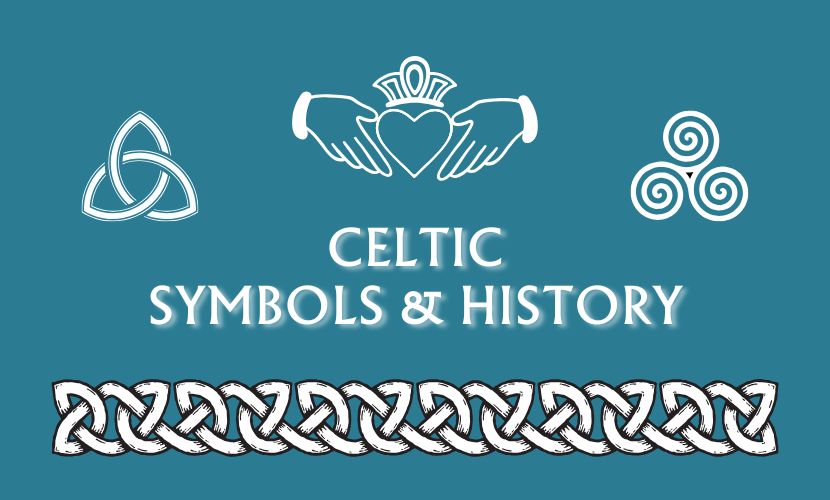
Here are some of the most enduring and popular Celtic motifs — their roots, their meaning, and why they continue to appear on rings, pendants, bracelets, and more.
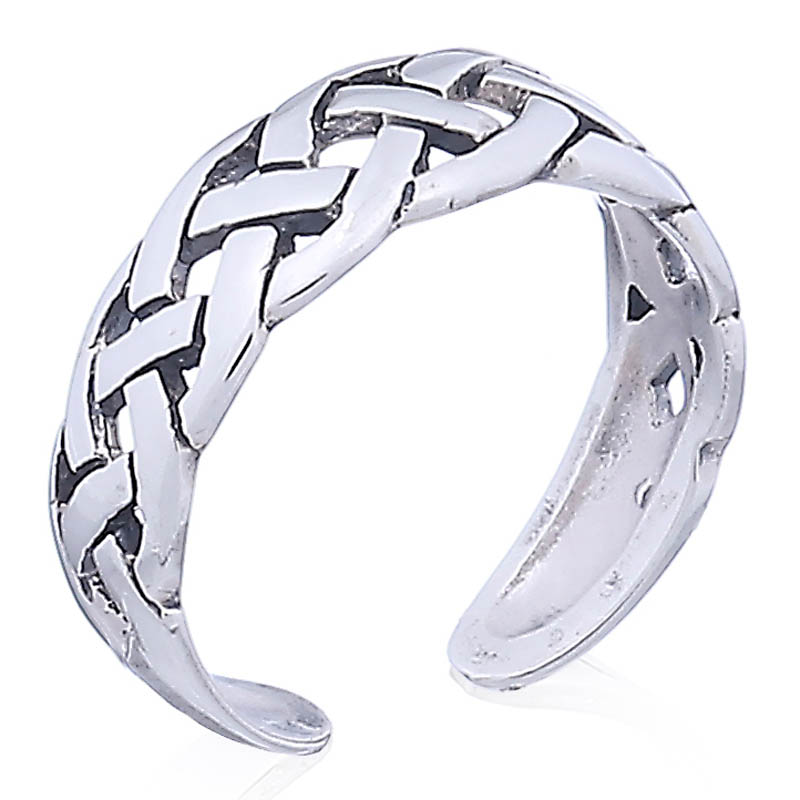
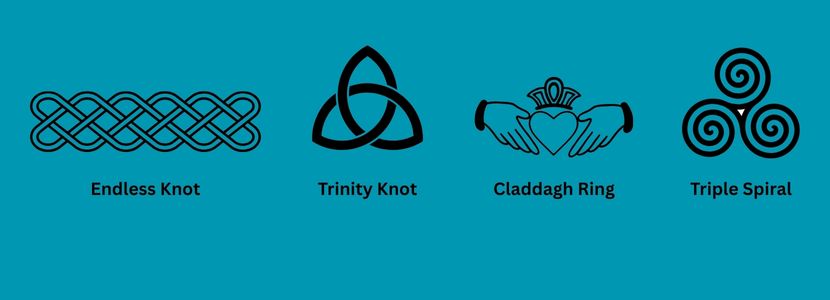
One of the most recognizable Celtic motifs, the “knot” is, in effect, an endless loop — a design without a clear beginning or end.
This unbroken line is often interpreted as a representation of eternity, unity, and interconnectedness. It’s an evocative symbol — conveying that some bonds (love, friendship, ancestry) are continuous, infinite. As such, knotwork is particularly powerful in jewelry meant to symbolize lasting commitment or heritage.
Among the many knot patterns, the Trinity Knot — sometimes called the Triquetra — stands out for both its beauty and symbolism. Its design of three interwoven loops or arcs has attracted layered meanings across history.
In pre-Christian Celtic culture, the three-part motif was associated with concepts like life-cycles (birth, life, death), or the three realms (earth, sea, sky).
With the arrival of Christianity in Celtic lands, the meaning was reinterpreted by many to represent the Holy Trinity — Father, Son, and Holy Spirit.
Today, the Trinity Knot remains popular for its layered heritage — it signifies unity, eternity, balance, and can also represent spiritual belief or cultural identity.
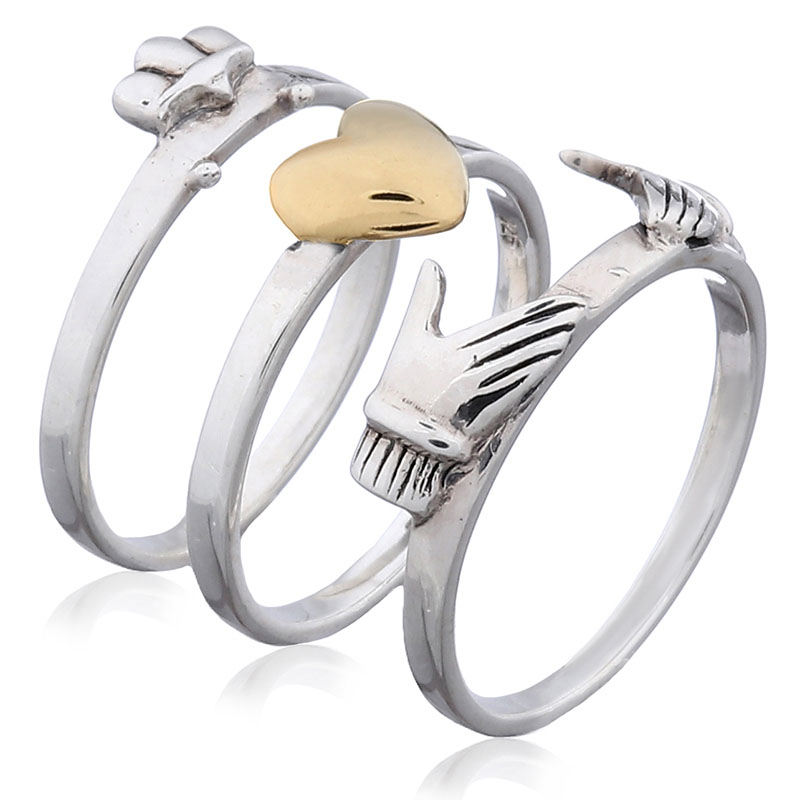
Perhaps the most immediately recognizable Celtic Jewelry motif is the Claddagh — a design combining two hands, a heart, and a crown. Each element carries distinct meaning: the hands denote friendship, the heart symbolizes love, and the crown represents loyalty.
The origin story of the Claddagh ring adds emotional weight. According to tradition, a man from the Irish fishing village of Claddagh crafted the first ring for his beloved after returning from years in slavery — a symbol of enduring love, hope, and reunion.
Because of its deep emotional resonance — love, fidelity, commitment — the Claddagh remains a perennial favorite for rings, pendants, and gifts. For retailers, pieces with this motif often sell to those looking for meaningful gifts or symbolic Jewelry.
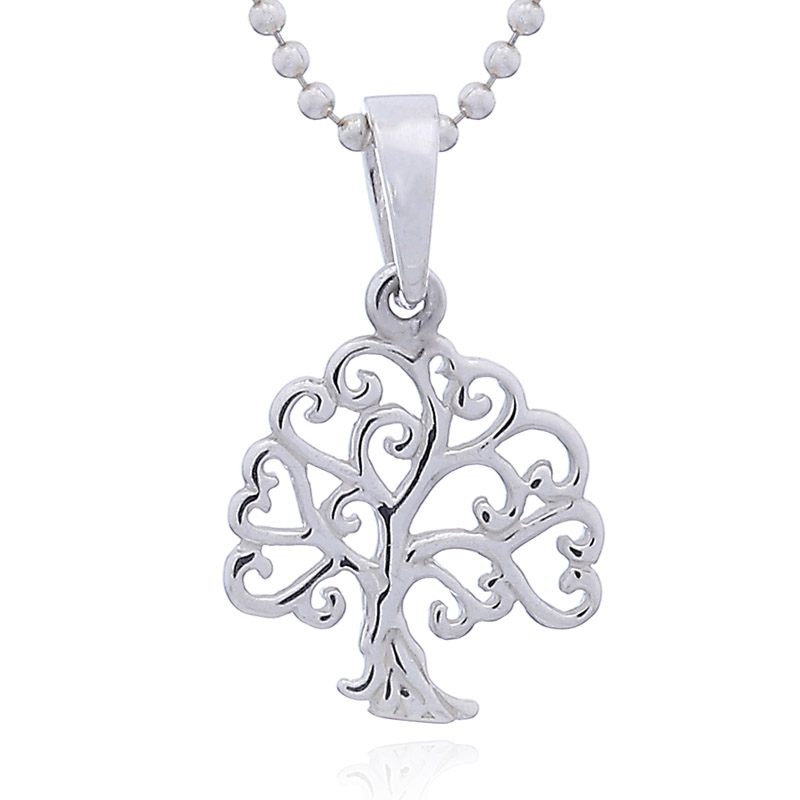
Celtic jewelry often draws inspiration from nature and ancient spirituality. The Tree of Life — with roots deep in the earth and branches reaching to the sky — reflects the Celtic regard for trees as sacred, connecting the earthly and spiritual worlds. It symbolizes growth, strength, and interconnection.
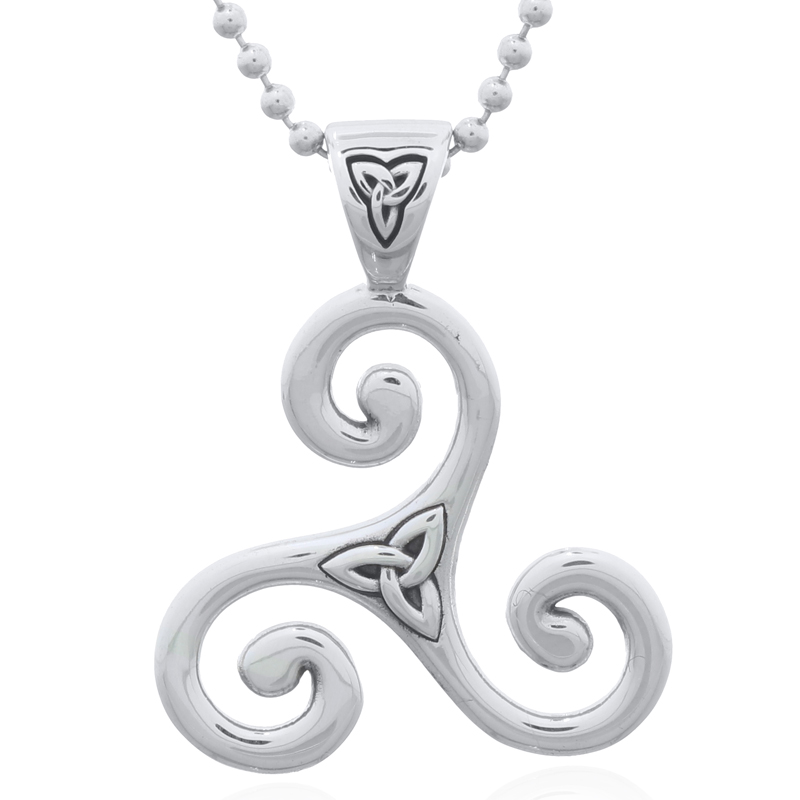
Spirals and triple spirals (sometimes known as the Triple Spiral or Triskele) are ancient motifs that speak to cycles — life, death, rebirth — and the constant flux of nature. These designs highlight the Celts’ deep appreciation for natural cycles and the unseen forces that bind all life.
Additionally, symbolic items like the harp or shamrock may appear, underlining heritage, identity, and cultural pride.
Emotional and Cultural Resonance. Many customers are drawn to Celtic Jewelry not simply as decorative items but as symbols of identity — ancestry, heritage, spirituality, or personal values such as love, loyalty, and unity. As a retailer, you’re offering more than Jewelry — you’re offering a story.
Timeless, Versatile Appeal. Celtic motifs are not tied to a single trend. Their meaning and beauty transcend time, making them suitable for heirloom pieces, gifts, everyday wear, or special-occasion jewelry.
Meaningful Gifting. With powerful symbols like the Trinity Knot or Claddagh, these pieces are often chosen as gifts marking love, friendship, commitment — ideal for weddings, engagements, anniversaries, or meaningful life milestones.
Storytelling & Differentiation. For retailers, describing the symbolism and history behind designs gives you a valuable way to differentiate your catalogue. It gives customers a deeper reason to care, beyond aesthetics — which can boost engagement and sales.
When listing Celtic jewelry — whether rings, pendants, bracelets, or earrings — make sure to highlight the symbolism and its meaning. Instead of just “silver knot ring,” consider “Eternal Trinity Knot pendant — symbolising unity, eternity & heritage,” or “Claddagh ring — love, loyalty & friendship.”
If you have a catalog (for example like the collection shown on our Celtic Collection page — use it as a reference or link to it so customers can explore more.
Also consider offering short explanations or storytelling in the product descriptions — a small paragraph about the origin or meaning of the symbol can add emotional value and help the customer connect with the piece.
Finally, having a variety of motifs — from knotwork and spirals to Claddagh — allows you to cater to different customer values: spiritual, romantic, heritage-focused, or aesthetic.
Celtic jewelry is much more than decorative metalwork — it’s a bridge between ancient art, cultural heritage, and modern expression. From the endless loops of the Celtic knot to the romantic symbolism of the Claddagh, these designs carry stories of identity, faith, love, and nature.
For retailers, offering Celtic jewelry is about giving customers access to more than fashion — you’re offering pieces with meaning, history, and emotional resonance. Embrace the stories behind the symbols, and you’ll give your customers not just jewelry, but connection.